Sun – Thu, 9:00 am – 5:00 pm
-
-
-
Al-Anees Street, Wadi Seer, Al-Rawabi, Villa No. 2, Amman, Jordan
Send a message to the Center and we will reply as soon as possible.
Sun – Thu, 9:00 am – 5:00 pm
Al-Anees Street, Wadi Seer, Al-Rawabi, Villa No. 2, Amman, Jordan

The Center was established as the first Arab international body affiliated with the Arab Union for the Protection of Intellectual Property Rights, pursuant to a decision of the Council of Arab Economic Unity. Its creation was announced at the Second Arab Customs Forum held in Aqaba on 16 June 2009.
Hearing rooms, translation, document custody, administrative support and e-arbitration so proceedings run smoothly.
A fast, professional alternative-dispute environment for intellectual property cases across all Arab countries.

Administered arbitration of intellectual property and related commercial disputes under the Center’s rules.
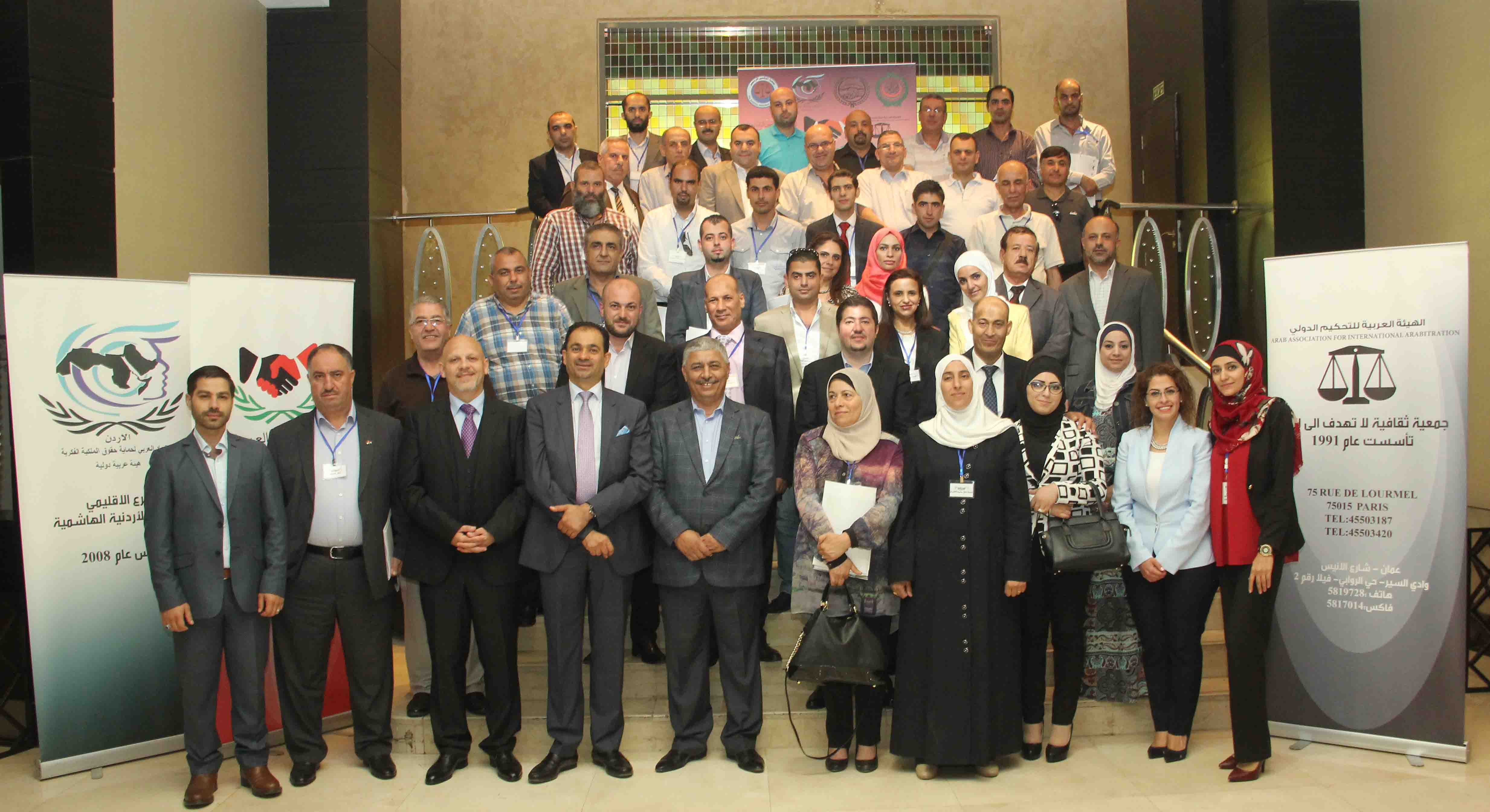
Training and practice in mediation and other alternative means to settle IP disputes without lengthy litigation.

An accredited program that qualifies participants as listed arbitrators of the Arab Union for IP protection.
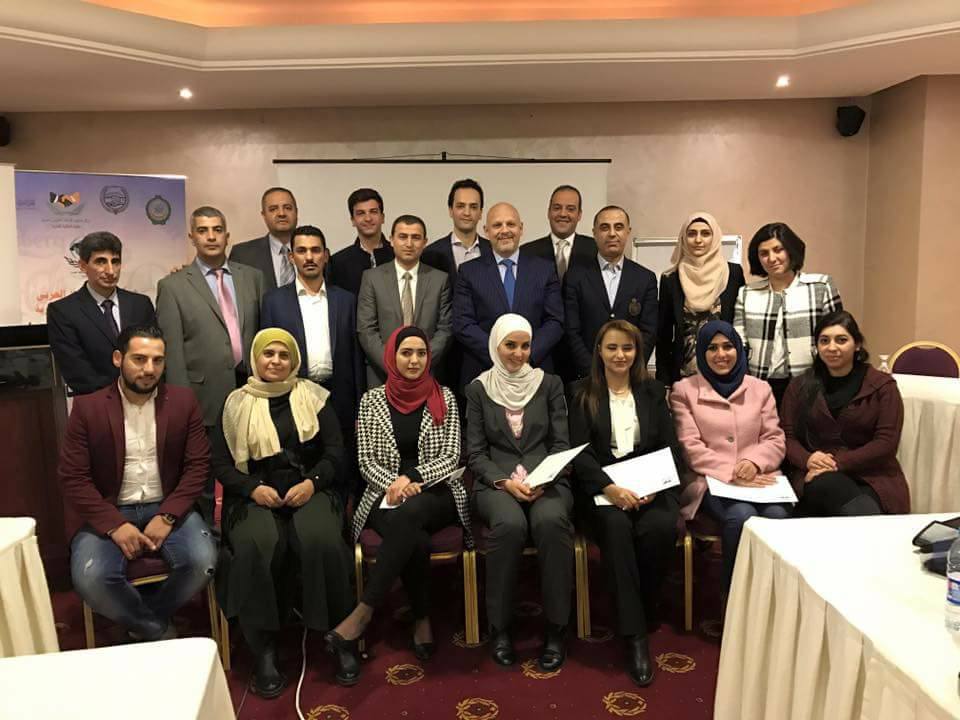
Courses on trademarks, e-commerce law, engineering contracts and practical mock arbitration hearings.
Acting as arbitrator for Arab individuals, companies and institutions in disputes arising outside national borders.
Helping parties appoint qualified specialists from the Center’s official lists of accredited arbitrators.


The Center exists to raise public awareness of arbitration, prepare Arab arbitrators and mediators,
and help unify and simplify procedures for settling intellectual property disputes.
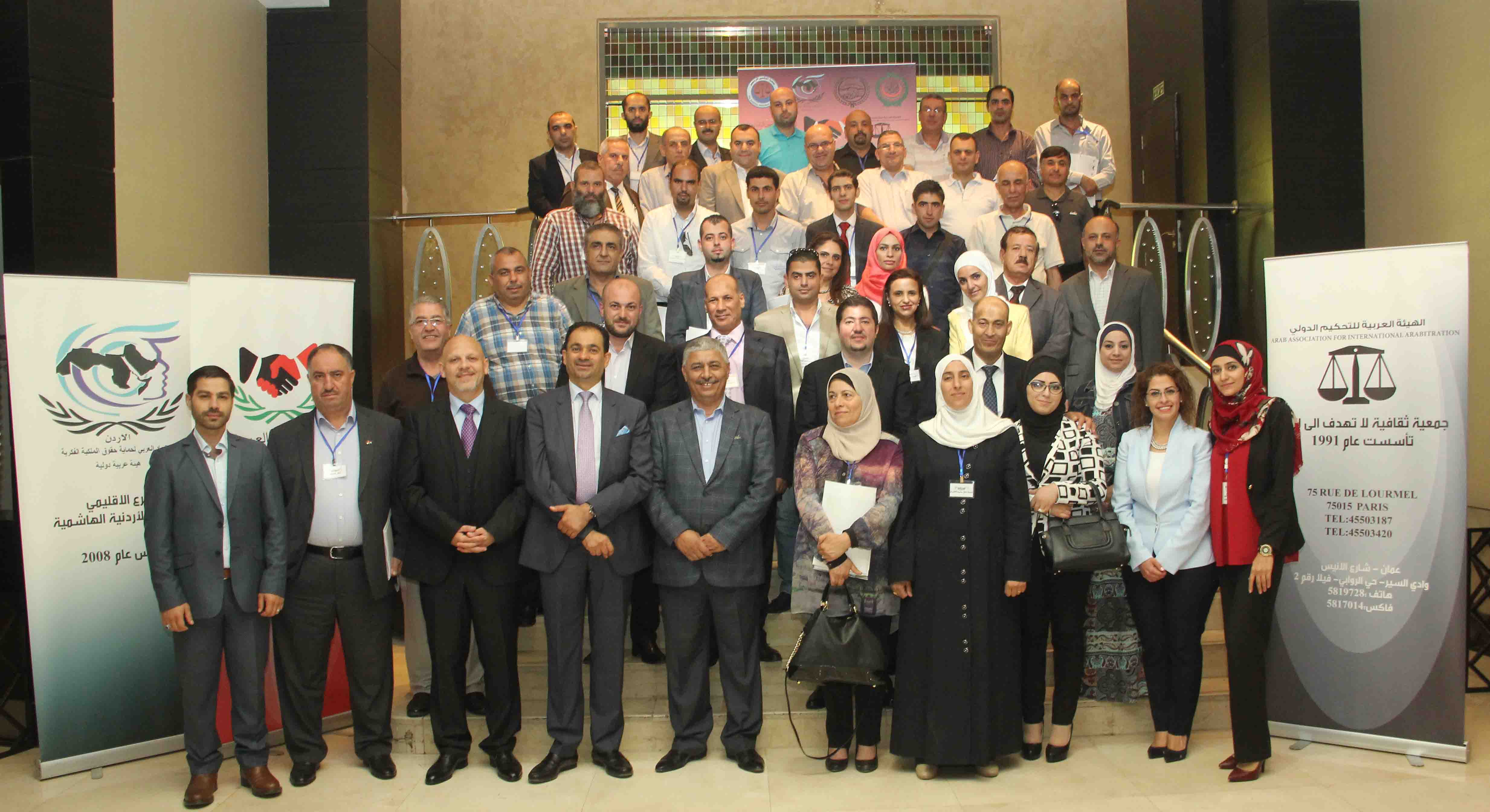
Seminars, conferences, workshops and lectures in all countries, plus specialized programs to prepare Arab arbitrators and mediators.
Supporting the creation of IP arbitration centers in Arab states and sharing the latest global developments in intellectual property.
Contributing to a unified Arab legislative framework that organizes arbitration of intellectual property disputes.
Acting as arbitrator for Arab parties with activity outside the Arab world, and assisting in the appointment of specialists from the Center’s lists.
Intellectual property is the legal framework that gives the owner exclusive freedom to use an asset, license it to others, or prevent others from using it — within the limits of the law. Protecting those rights rewards creativity, attracts investment and strengthens the economy.
A patented invention cannot be sold or produced without the owner’s permission or a license. Part of every sale returns to the rights holder.
A protected name or mark cannot be copied, imitated or used on other products. The mark is also a quality signal for the buyer.
Protected works cannot be copied, published or adapted without consent. Performers, producers and broadcasting organizations also hold related rights.
Registered designs and models cannot be reproduced or reapplied without the owner’s authorization.
It is forbidden to imitate another company’s product to mislead customers, or to make false claims against another’s business.
Selling, producing, reproducing, exporting, importing or storing a protected plant variety requires the owner’s authorization.
Individuals — or 500 JOD for institutions
Open to anyone interested in arbitration and IP, of any Arab nationality
Professional competence in the applicant’s field
Proficiency in Arabic
Nomination by two Center members
Official membership card issued by the Center and endorsed by the Union / Council of Arab Economic Unity
Up to 50% off conferences and forums, and 30% off specialized programs
Accredited categories after associate membership
Good character and integrity, and a suitable academic qualification
Sound knowledge of local and international contracts and arbitration law
Must already be an Associate Member of the Center
Category A: 15 years since graduation, certified Arab IP arbitrator training, and 5 years of arbitral practice
Category B: 7 years since graduation, certified training, and 3 years of arbitral practice
Category C: suitable qualification, training or research, and at least one year of practice — or completion of the Certified Arab IP Arbitrator Program with an approved paper

Pursuant to Article 17 of the Center’s statute, arbitration is conducted under the Rules below unless the parties’ contract provides otherwise. An agreement to arbitrate under these Rules excludes the dispute from any other forum and from challenging the award before it.
“All disputes arising out of this contract or in connection with it shall be finally settled in accordance with the Rules of the Arab Union Arbitration Center for the Protection of Intellectual Property Rights.”
The claimant files a written request with the Secretary-General including: names, titles, nationalities and addresses of both parties; a statement of the dispute, facts, evidence and relief sought; the name of the chosen arbitrator if any; and a copy of the arbitration agreement and related documents.
After the request and fees are received, the Secretary-General acknowledges receipt and notifies the respondent within seven days by registered mail with acknowledgement of receipt. The respondent has 20 days (extendable by a further 20 days) to file a statement of defence, counterclaims and the name of its arbitrator.
The tribunal is one or three arbitrators as the parties agree. If they do not agree, the Secretary-General appoints a sole arbitrator unless the nature of the dispute requires three.
If a party fails to appoint, the Secretary-General appoints from the Center’s list within two weeks. The two party-appointed arbitrators choose a presiding arbitrator; failing agreement within 20 days, the Secretary-General appoints the president. The file is transmitted to the tribunal within seven days of its constitution, and the tribunal begins its work within 15 days.
The tribunal treats the parties equally and gives each a full opportunity to present its case. Seat, language and additional procedures follow the parties’ agreement, otherwise the tribunal decides. Hearings and witness examination are confidential unless the parties agree otherwise.
The tribunal decides according to: (1) the contract and any later agreement; (2) the law chosen by the parties; (3) the law most closely connected to the dispute; and (4) local and international commercial usages. It may order interim measures, inspect the site, appoint experts, and record a settlement as an award.
Deliberations are secret. The award is issued by unanimity or majority within 100 days of referral of the file, unless the parties agree otherwise. A dissenting opinion is attached on a separate sheet and does not form part of the award. The Secretary-General may extend the time limit on a reasoned request.
The award must be reasoned and state the arbitrators’ names and signatures, the parties, date and place, facts, claims, a summary of the defence and the reply, and the allocation of costs. It is final and binding, and has executory force in member and non-member states after an enforcement order from the competent court. Correction of clerical errors may be requested within 15 days; interpretation within 7 days.
The Center collects a filing fee of 250 Jordanian dinars (or the equivalent) on every request. Service fees shall not exceed 2% of the value of the dispute. A schedule of fees is proposed by the Secretary-General and approved by the Board of Directors.
The Secretary-General prepares a provisional estimate of arbitrators’ fees and expenses (travel, witnesses, experts, translators and Center services) and calls for equal deposits from each party. If deposits are not paid within 30 days, the tribunal may suspend or terminate the proceedings.
Year Established
Regional Offices
JOD Filing Fee
Arbitrator Categories

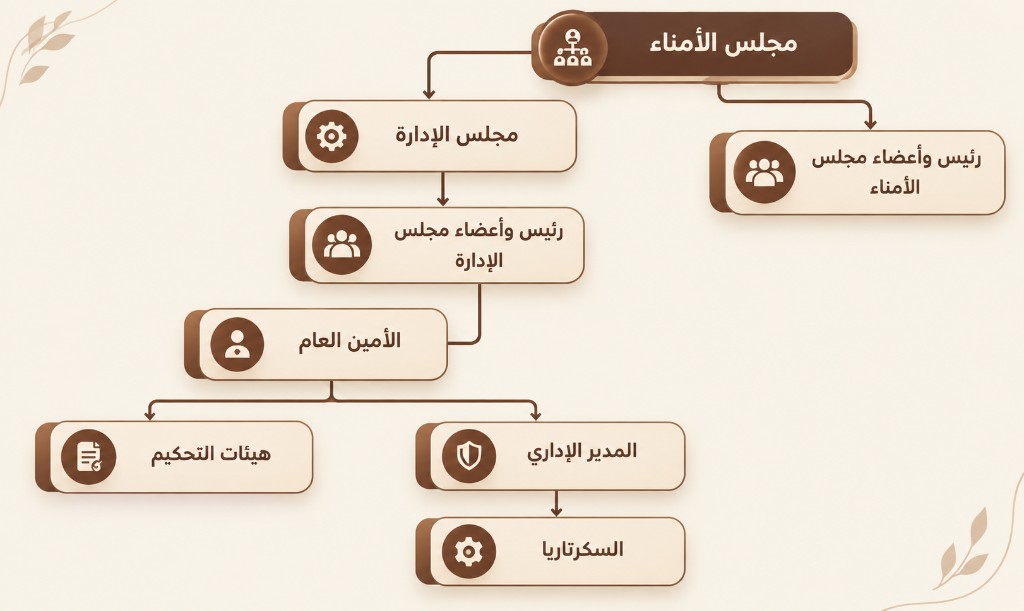
The Center is overseen by a Board of Trustees and a Board of Directors. The Secretary-General administers cases and appoints arbitrators where required. Arbitration bodies hear disputes, while the Administrative Director and Secretariat support the Center’s day-to-day work.
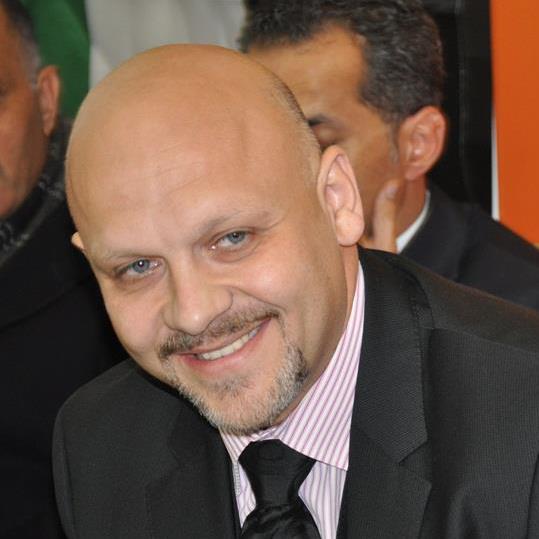
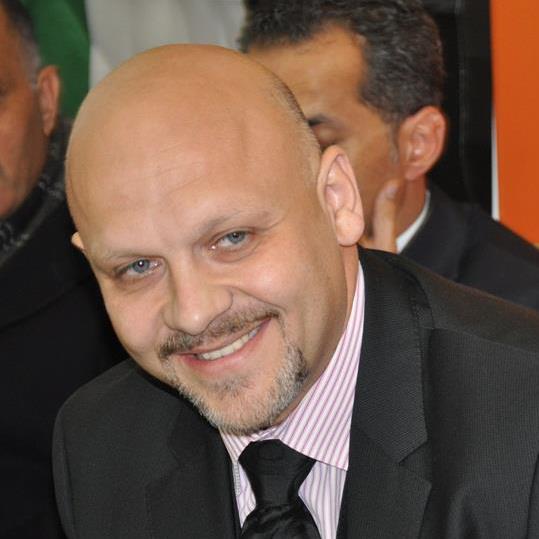
Chairman of the Center & Head of the Regional Branch of the Arab International Arbitration Authority
Nov
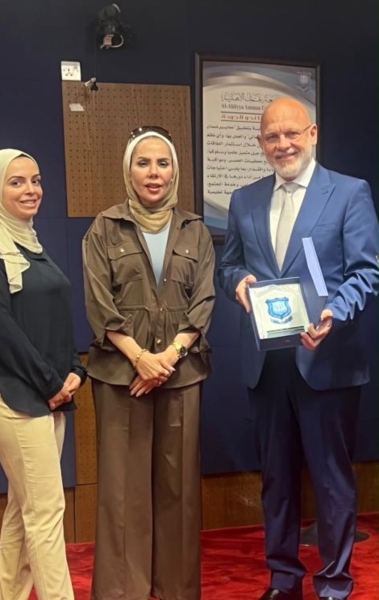
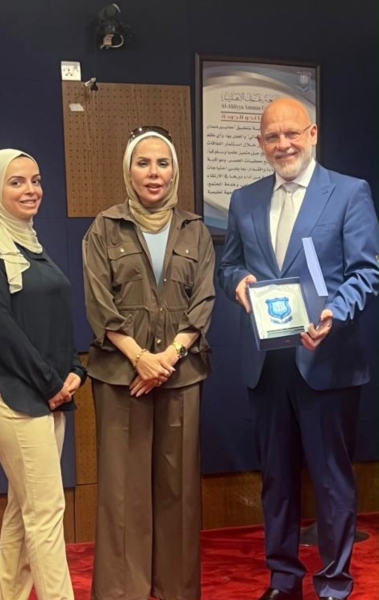
A lecture to faculty members at the Faculty of Pharmacy, Al-Ahliyya Amman University, on protecting innovation and IP.
Dec
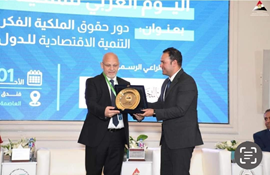
A bilateral cooperation agreement with the Information and Decision Support Center, with Assistant to the Prime Minister Dr. Osama El-Gohary.
Dec

Held in partnership between the Arab Union for the Protection of Intellectual Property Rights and the Information Center of the Egyptian Cabinet.
Jun
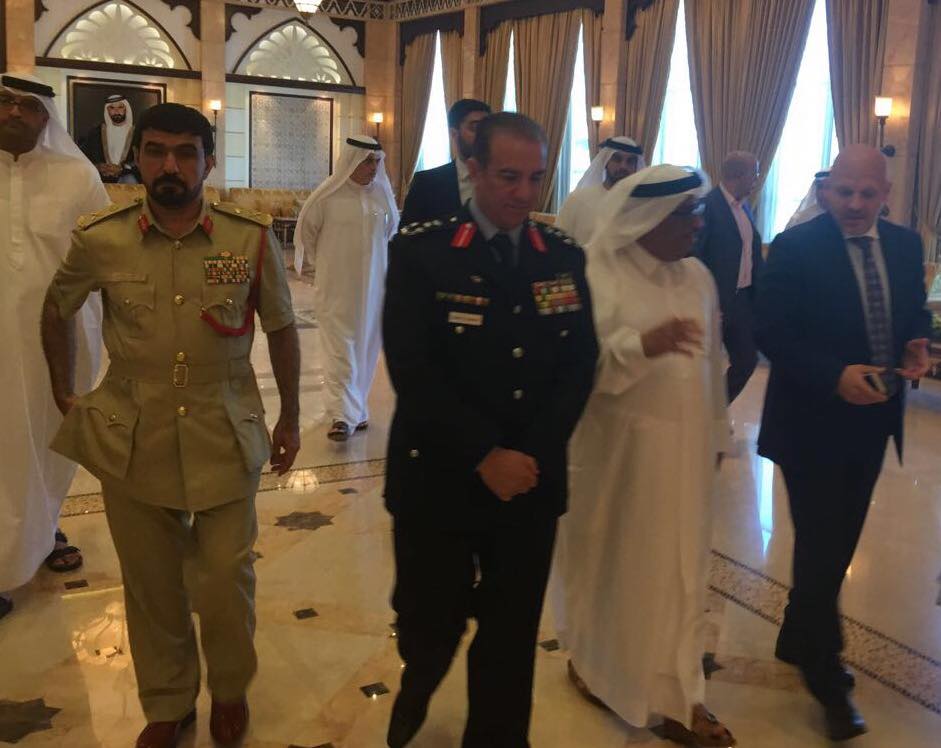
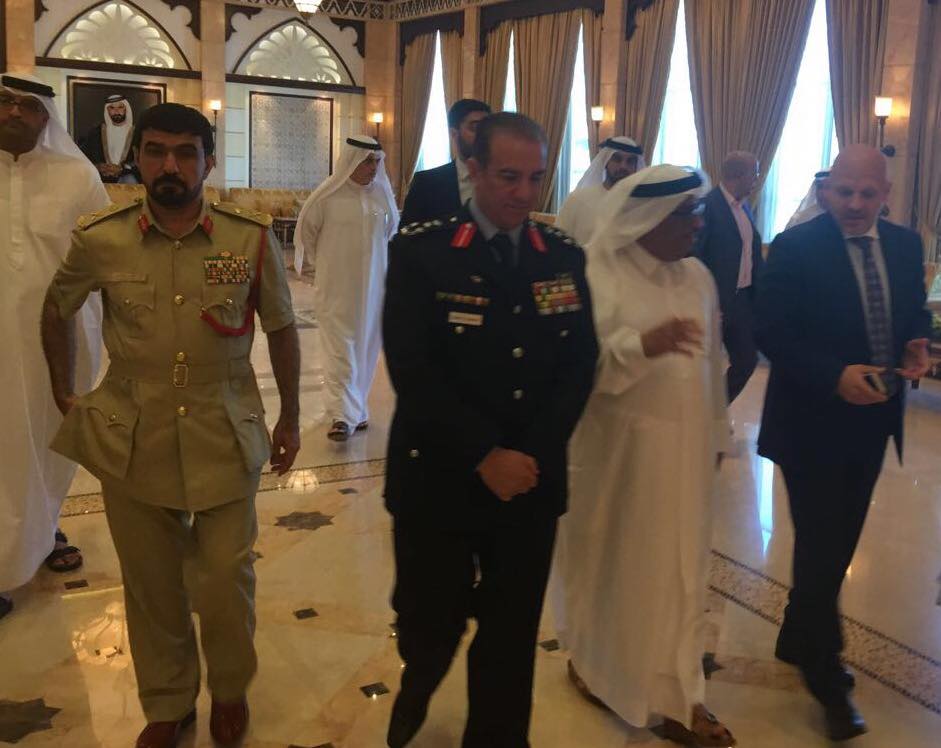
An Emirati delegation headed by Maj. Gen. Abdul Quddous Al-Obaidly visited Amman for a seminar at the Amman Chamber of Industry.
Jan

Stay tuned for the 2025 program in cooperation with the Arab International Academy for Intellectual Property.
Mar
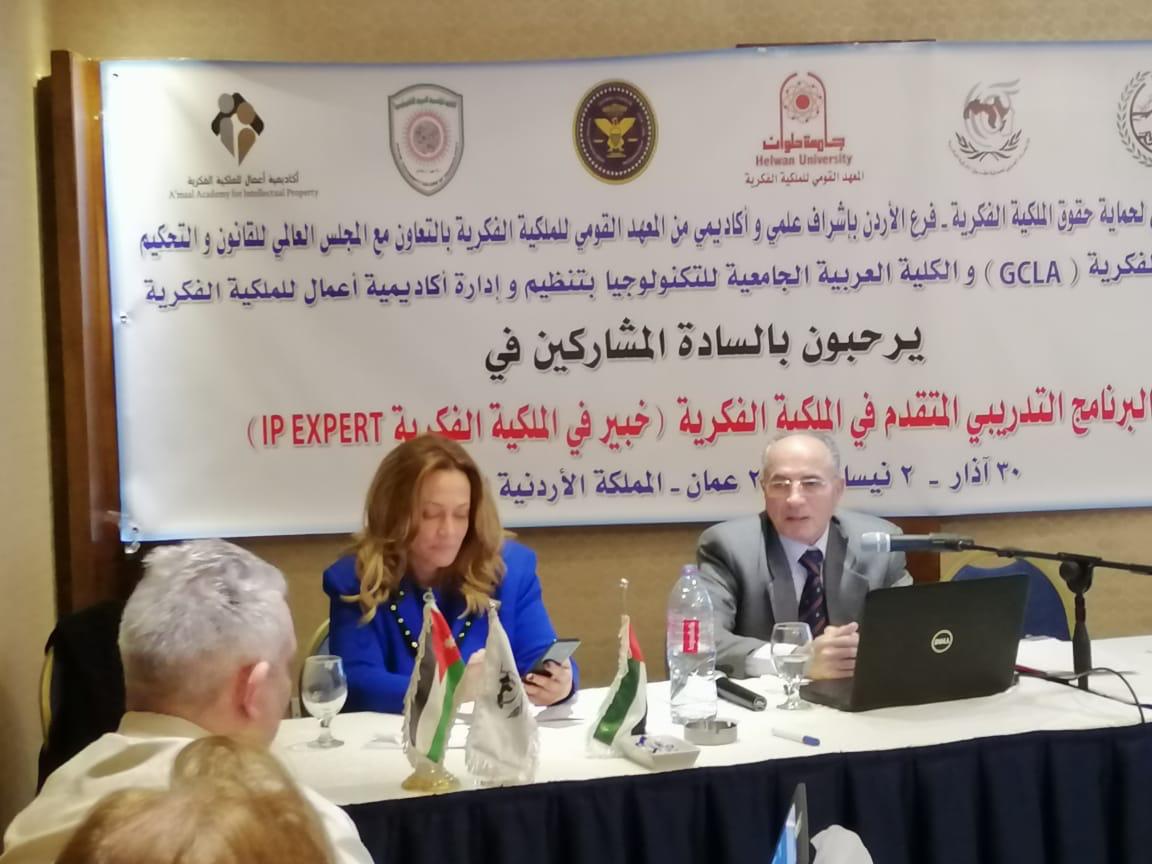
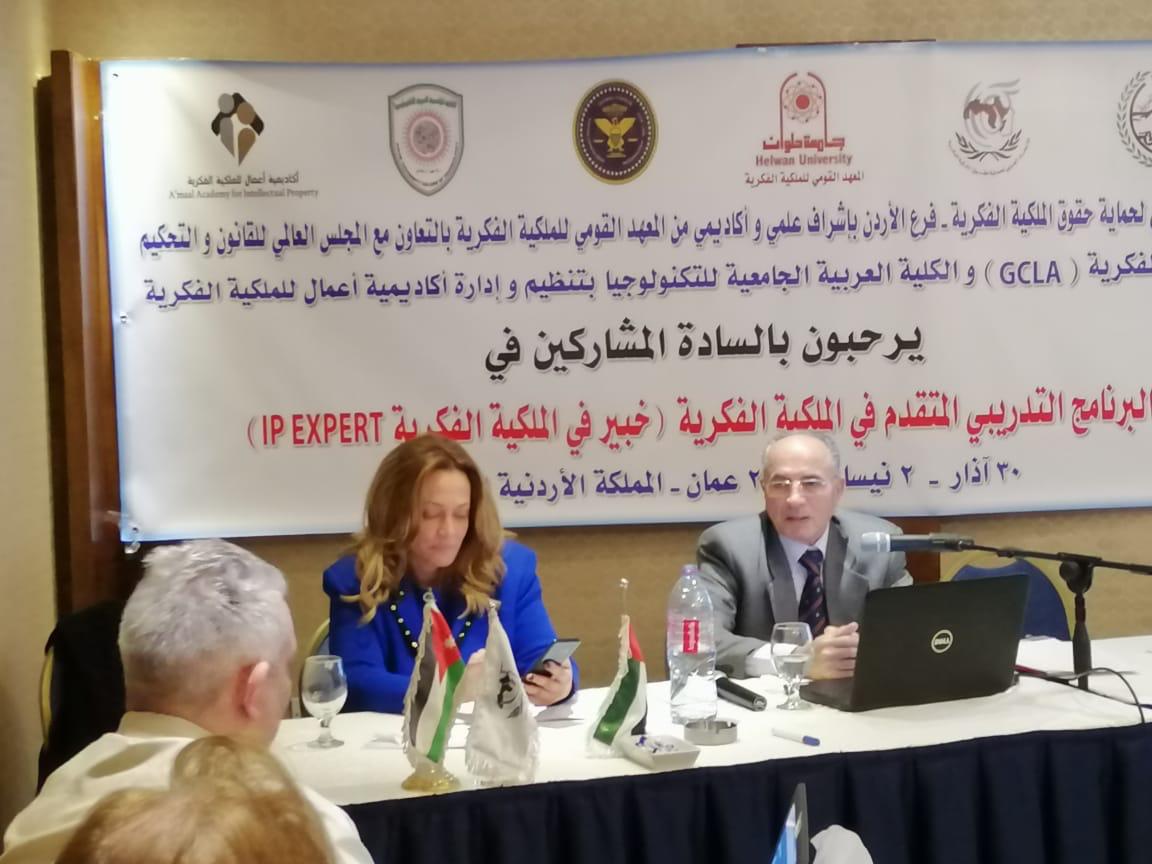
The advanced practical program in intellectual property (IP Expert), held under academic supervision of the National Institute of Intellectual Property — Helwan University, Egypt.
Al-Anees Street / Wadi Seer / Al-Rawabi / Villa No. 2
Tel: +962 6 581 9728
Fax: +962 6 581 7014
Mobile: +962 7 7790 3030
Corniche Street, Pearl of the Nile Towers, 97 B, 7th Floor
Telefax: +20 2 2458 4077
Corniche Al-Mazraa, Al-Nahfawi Building, Beirut
Tel / Fax: +961 1 655 748
Mobile: 03 013 858
A regional office of the Center in Aqaba will open soon.
Gulf branches of the Center are being prepared.
A branch of the Center in Syria will open soon.


Al-Anees Street, Wadi Seer, Al-Rawabi, Villa No. 2, Amman, Jordan